
JLPT N3 詞義四選一 - Unsolved

透過四選一題目,用繁體中文學習JLPT N3的1677個單字詞義。
-
議長
-
錯誤
-
寶石
-
感到
-
經過
-
放飛 / 跳過
-
包含 / 含在嘴裡
-
越過 / 超過
-
趕上
-
詞語 / 語言
-
課 / 部門
-
負責人
-
期間
-
收費
-
高速
-
一片 / 鋒利度
-
食物供應
-
計算
-
效果
-
改善
-
果實 / 種子
-
皮膚 / 樹皮
-
登山
-
敬意
-
豪華
-
嚴重
-
鮮紅的
-
商品
-
方法
-
最高 / 最好
評価
評價
評価
評價
Explanation
評価
評價
評価
評估 / 評價 / 肯定、讚賞

( Base form )
( romanization )
( romanization )
( kyūjitai )
( hiragana historical )
( hiragana )
刈る
割草 / 剪短
刈る
割草 / 剪短
Explanation
刈る
割草 / 剪短
刈る
用利器割除或修剪(草、髮等) / 修剪枝葉、整枝 / 收割(穀物、農作物)

Word Forms
The basic and commonly used forms of this verb.
Basic forms
| Form | Word form | Usage |
|---|---|---|
| Imperfective form (mizenkei) |
Alternative:
刈ろ
|
Connects to endings such as nai, reru, and seru. |
| Continuative form (renyokei) | Connects to endings such as masu, tai, and ta. | |
| Conclusive form (shushikei) | Ends a sentence and serves as the dictionary form. | |
| Attributive form (rentaikei) | Modifies a noun. | |
| Conditional form (kateikei) | Combines with ba to express a condition. | |
| Imperative form (meireikei) | Expresses a command or instruction. |
Common forms
至る
到達
至る
到達
Explanation
至る
到達
至る
通往(某地);開往(某地) / 到達;延伸至 / 發展成;導致、造成

Word Forms
The basic and commonly used forms of this verb.
Basic forms
| Form | Word form | Usage |
|---|---|---|
| Imperfective form (mizenkei) |
Alternative:
至ろ
|
Connects to endings such as nai, reru, and seru. |
| Continuative form (renyokei) | Connects to endings such as masu, tai, and ta. | |
| Conclusive form (shushikei) | Ends a sentence and serves as the dictionary form. | |
| Attributive form (rentaikei) | Modifies a noun. | |
| Conditional form (kateikei) | Combines with ba to express a condition. | |
| Imperative form (meireikei) | Expresses a command or instruction. |
Common forms
局
局 / 台
局
局 / 台
Explanation
局
局 / 台
局
構成機關名稱的接尾詞,表「局」 / 政府或事業單位的局、機構

( romanization )
( hiragana )
記念
紀念
記念
紀念
Explanation
記念
紀念
記念
紀念;追思 / 追悼 / 紀念物;紀念碑

( Base form )
( romanization )
( hiragana )
老人
老人
老人
老人
Explanation
老人
老人
老人
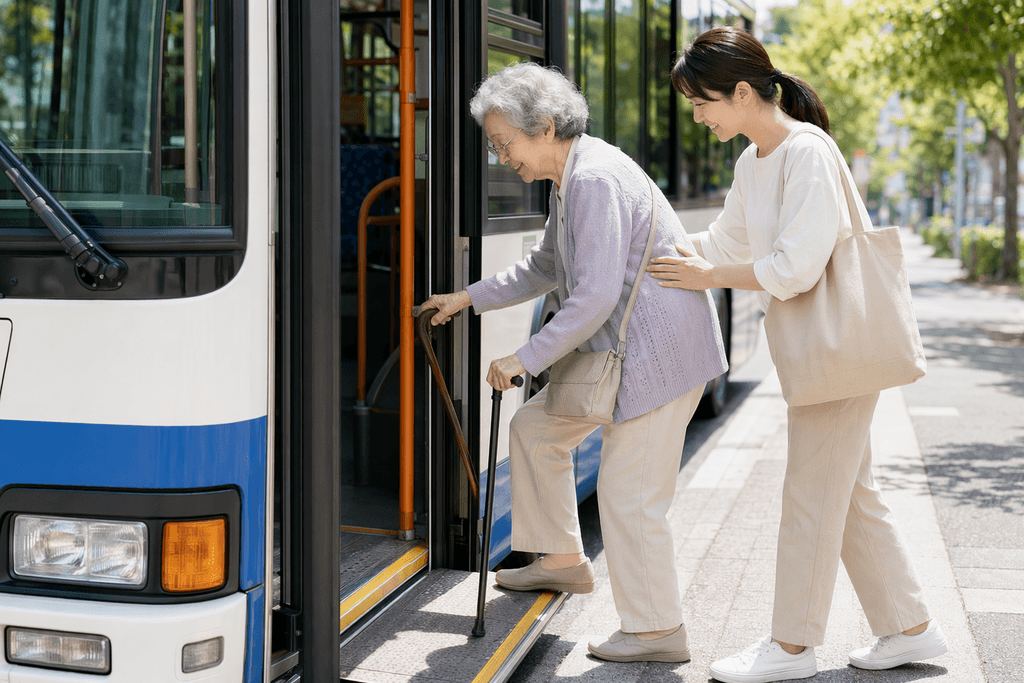
老年人 / 年長者 / 高齡者
( Base form )
( romanization )
( romanization )
( hiragana historical )
( hiragana )
風呂
洗澡
風呂
洗澡
Explanation
風呂
洗澡
風呂
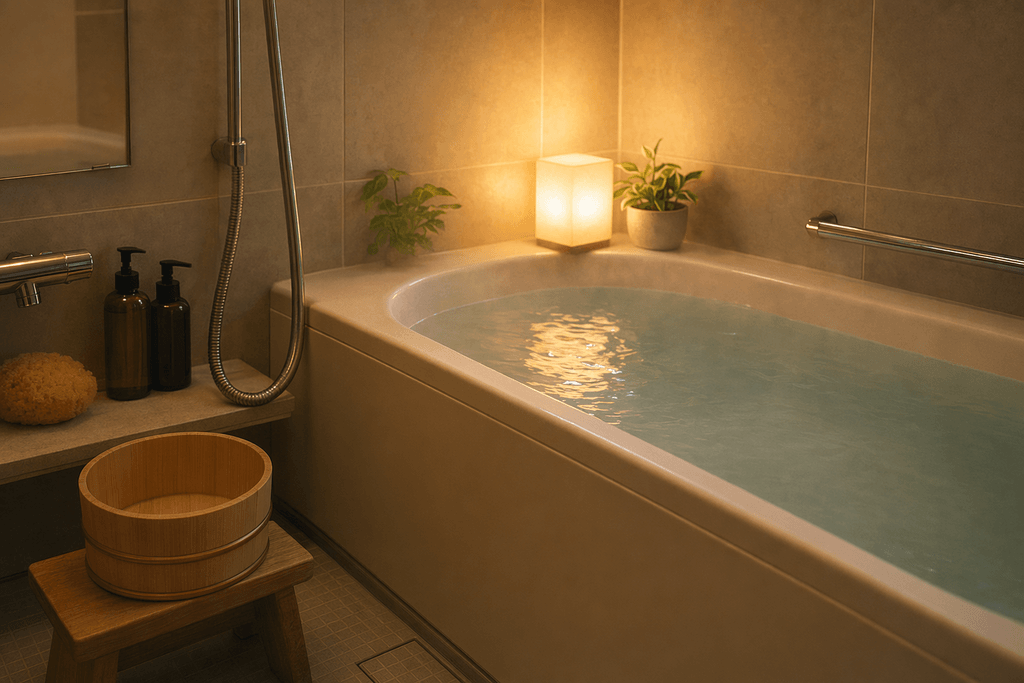
浴室、澡堂 / 浴缸
( Base form )
( romanization )
( hiragana )
一致
一致
一致
一致
Explanation
一致
一致
一致
共識 / 和諧統一 / 同心協力

( Base form )
( romanization )
( hiragana )
快適
舒適
快適
舒適
Explanation
快適
舒適
快適
舒適的 / 令人感到愉快、自在的 / 宜人、便利的

Word Forms
The basic and commonly used forms of this adjectival noun.
Basic forms
| Form | Word form | Usage |
|---|---|---|
| Imperfective form (mizenkei) | Used in forms such as darou. | |
| Continuative form (renyokei) |
Alternative:
快適に
|
Used with de or ni. |
| Conclusive form (shushikei) | Ends a sentence with da. | |
| Attributive form (rentaikei) | Modifies a noun with na. | |
| Conditional form (kateikei) | Expresses a condition with nara. | |
| Imperative form (meireikei) | Used in formal expressions such as de are. |
Common forms
道路
道路
道路
道路
Explanation
道路
道路
道路
供車輛或行人通行的路 / 路徑;路線 / 比喻達成目標的途徑

( Base form )
( romanization )
( romanization )
( hiragana historical )
( hiragana )
Loading...

JLPT N3 多言語単語帳・1677語 / JLPT N3 Multilingual Vocabulary: 1677 Words

Jonathan Waller 氏の JLPT Resources の語彙リスト・レベル分類を出典とし、CC BY の条件に従って DiQt が学習者向けに意味を作り直した1677語の単語帳です。JLPT公式の語彙リストではありません。
This collection of 1677 words is based on the vocabulary list and level classifications in Jonathan Waller’s JLPT Resources under CC BY, with meanings rewritten by DiQt for learners. It is not an official JLPT vocabulary list.
Key Operations
Select the first quiz:
Ctrl + Enter
View Explanation:Ctrl + G
Close a feedback:Esc
When selecting a quiz
Answer:Enter
Select a choice:↓ or ↑
Reading out the question:Ctrl + K
View Hint: Ctrl + M
I don't know: Ctrl + Y



