
JLPT N3 詞義四選一 - Unsolved

透過四選一題目,用繁體中文學習JLPT N3的1677個單字詞義。
-
世上
-
虛無
-
進步
-
預防
-
圖案
-
危害
-
達到
-
責罵
-
期望 / 遠眺
-
文章
-
單字
-
援助
-
卡片
-
諺語
-
否定
-
議長
-
職業
-
起司
-
計畫
-
基礎
-
成員
-
極少
-
手巧
-
溫暖
- 「かわいそう」は形容動詞(ナ形容詞)として扱う。連用形には副詞的な「かわいそうに」も用いられる。
- 漢字表記には「可哀想」「可哀相」などがある。歴史的仮名遣いは「かはいさう」。
-
房租
-
學科
-
數量
-
或者 / 也許
-
但是
-
而且
野
原野
野
原野
Explanation
野
原野
野
原野;野外 / 領域;範疇 / (建築)結構的隱蔽部分

( romanization )
( hiragana )
行儀
禮儀
行儀
禮儀
Explanation
行儀
禮儀
行儀
禮貌;禮節 / 舉止;儀態 / 行為規矩

( Base form )
( romanization )
( romanization )
( hiragana historical )
( hiragana )
辞める
辭職
辞める
辭職
Explanation
辞める
辭職
辞める
辭職 / 辭去、退出(職務、學籍等)

Word Forms
The basic and commonly used forms of this verb.
Basic forms
| Form | Word form | Usage |
|---|---|---|
| Imperfective form (mizenkei) |
Alternative:
辞めよ
|
Connects to endings such as nai, reru, and seru. |
| Continuative form (renyokei) | Connects to endings such as masu, tai, and ta. | |
| Conclusive form (shushikei) | Ends a sentence and serves as the dictionary form. | |
| Attributive form (rentaikei) | Modifies a noun. | |
| Conditional form (kateikei) | Combines with ba to express a condition. | |
| Imperative form (meireikei) |
Alternative:
辞めよ
|
Expresses a command or instruction. |
Common forms
制度
制度
制度
制度
Explanation
制度
制度
制度
組織或社會運作的規範與架構 / 由政府或機構訂定的規章與體制 / 法規、成規的整體安排

( Base form )
( romanization )
( hiragana )
霧
霧
霧
霧
Explanation
霧
霧
霧
近地面水汽凝結成的細微水滴,使能見度降低 / 霧氣;迷霧

( romanization )
( hiragana )
連続
連續
連続
連續
Explanation
連続
連續
連続
相繼、接連的狀態 / 依序排列的一連串事物
( Base form )
( romanization )
( kyūjitai )
( hiragana )
インク
墨水
インク
墨水
Explanation
墨水
インク
墨水 / 油墨(用於印刷) / 墨汁(書法用)

( romanization )
かわいそう
可憐
かわいそう
可憐
Explanation
可憐
かわいそう
可憐的 / 令人同情的 / 可悲的

Word Forms
The basic and commonly used forms of this adjectival noun.
Basic forms
| Form | Word form | Usage |
|---|---|---|
| Imperfective form (mizenkei) |
Alternative:
可哀想だろ
可哀相だろ
|
Used in forms such as darou. |
| Continuative form (renyokei) |
Alternative:
可哀想で
可哀相で
かわいそうに
可哀想に
可哀相に
|
Used with de or ni. |
| Conclusive form (shushikei) |
Alternative:
可哀想だ
可哀相だ
|
Ends a sentence with da. |
| Attributive form (rentaikei) |
Alternative:
可哀想な
可哀相な
|
Modifies a noun with na. |
| Conditional form (kateikei) |
Alternative:
可哀想なら
可哀相なら
|
Expresses a condition with nara. |
| Imperative form (meireikei) |
Alternative:
可哀想であれ
可哀相であれ
|
Used in formal expressions such as de are. |
Common forms
| Form | Word form | Usage |
|---|---|---|
| Te-form equivalent |
Alternative:
可哀想で
可哀相で
|
Connects clauses using de. |
| Ta-form |
Alternative:
可哀想だった
可哀相だった
|
Expresses the past with datta. |
| Nai-form |
Alternative:
可哀想ではない
可哀相ではない
かわいそうじゃない
可哀想じゃない
可哀相じゃない
|
Expresses negation with dewa nai or ja nai. |
| Desu-form |
Alternative:
可哀想です
可哀相です
|
Used for polite speech. |
Notes
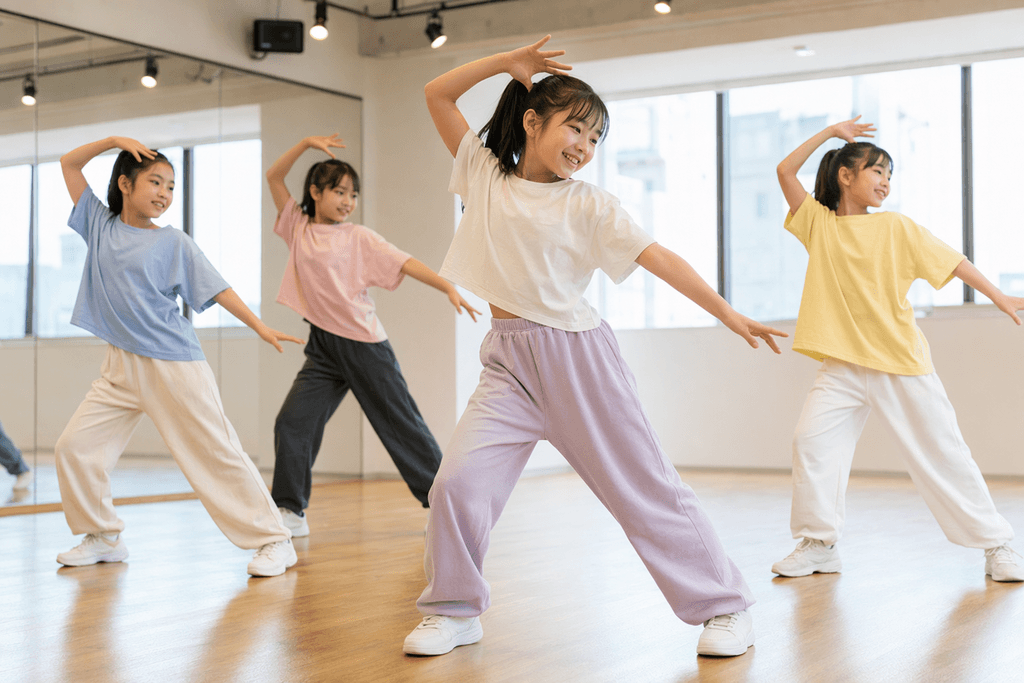
ダンス
舞蹈
ダンス
舞蹈
Explanation
舞蹈
ダンス
舞蹈 / 跳舞 / 舞會
( romanization )
ですから
所以
ですから
所以
Explanation
所以
ですから
因此 / 所以 / 因為

( romanization )
Loading...

JLPT N3 多言語単語帳・1677語 / JLPT N3 Multilingual Vocabulary: 1677 Words

Jonathan Waller 氏の JLPT Resources の語彙リスト・レベル分類を出典とし、CC BY の条件に従って DiQt が学習者向けに意味を作り直した1677語の単語帳です。JLPT公式の語彙リストではありません。
This collection of 1677 words is based on the vocabulary list and level classifications in Jonathan Waller’s JLPT Resources under CC BY, with meanings rewritten by DiQt for learners. It is not an official JLPT vocabulary list.
Key Operations
Select the first quiz:
Ctrl + Enter
View Explanation:Ctrl + G
Close a feedback:Esc
When selecting a quiz
Answer:Enter
Select a choice:↓ or ↑
Reading out the question:Ctrl + K
View Hint: Ctrl + M
I don't know: Ctrl + Y



