
JLPT N3 詞義四選一 - Unsolved

透過四選一題目,用繁體中文學習JLPT N3的1677個單字詞義。
-
彷彿 / 完全
-
到處
-
僅僅
-
釣魚 / 找零
-
實現
-
全年
-
大概
-
突然
-
充分
-
份量 / 份額
-
預防
-
空位 / 空閒時間
-
激烈的
-
深色 / 濃
-
好
- 基本形の命令形「硬かれ」は現代語では稀な形です。
-
會員
-
鬼怪
-
大戰
-
測量
-
舉起 / 奉承
-
沖走 / 流下
- 見出し語「注ぐ」は、読み「そそぐ」としての活用。五段活用ガ行で、連用形接続の「て/た」は音便により「注いで/注いだ」となる。
- 同じ表記「注ぐ」には「つぐ」という読みもあり、酒・飲み物を器に入れる意味で用いられることがある。
-
通行
-
相簿
-
交通壅塞
-
穩定
-
意志
-
到底 / 一體
-
節約
-
研議
-
政府
それぞれ
各自 / 分別
それぞれ
各自 / 分別
Explanation
各自 / 分別
それぞれ
各自地 / 分別地 / 每個都

騒音
噪音
騒音
噪音
Explanation
騒音
噪音
騒音
噪音;嘈雜的聲音 / 因吵鬧引起的擾亂

( Base form )
( romanization )
( hiragana )
そう
那樣
そう
那樣
Explanation
那樣
そう
那樣 / 如此 / 那麼

( romanization )
( romanization )
( hiragana historical )
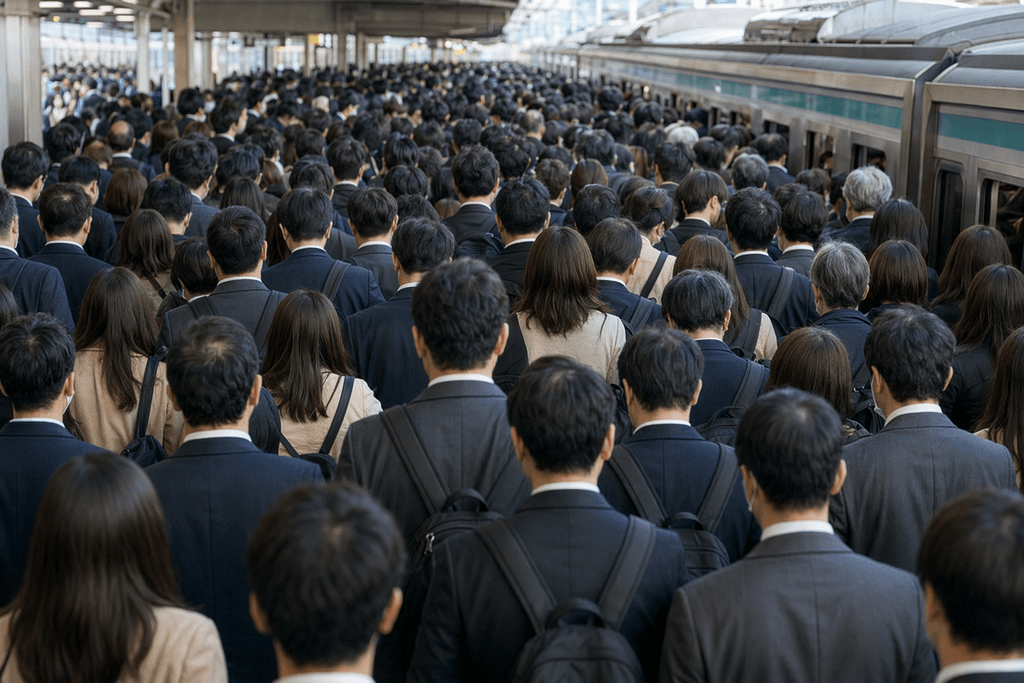
混雑
擁擠
混雑
擁擠
Explanation
混雑
擁擠
混雑
擁擠 / 交通壅塞 / 混亂
( Base form )
( romanization )
( hiragana )
硬い
堅硬
硬い
堅硬
Explanation
硬い
堅硬
硬い
堅硬的 / 僵硬的、死板的 / 生硬的(語氣、文風)

Word Forms
The basic and commonly used forms of this adjective.
Basic forms
| Form | Word form | Usage |
|---|---|---|
| Imperfective form (mizenkei) | Used in forms such as karou; mainly literary. | |
| Continuative form (renyokei) |
Alternative:
硬かっ
|
Used in forms such as kute and kunai. |
| Conclusive form (shushikei) | Ends a sentence. | |
| Attributive form (rentaikei) | Modifies a noun. | |
| Conditional form (kateikei) | Expresses a condition with kereba. | |
| Imperative form (meireikei) | Rarely used in modern Japanese. |
Common forms
| Form | Word form | Usage |
|---|---|---|
| Te-form | Connects clauses with kute. | |
| Ta-form | Expresses the past with katta. | |
| Nai-form | Expresses negation with kunai. | |
| Ba-form | Expresses a condition with kereba. |
Notes
スープ
湯
スープ
湯
Explanation
湯
スープ
西式湯品 / 以肉、蔬菜等熬煮的湯

( romanization )
注ぐ
倒入
注ぐ
倒入
Explanation
注ぐ
倒入
注ぐ
倒入、注入(液體) / 盛裝、分裝食物至容器 / 將容器填滿食物或飲品

Word Forms
The basic and commonly used forms of this verb.
Basic forms
| Form | Word form | Usage |
|---|---|---|
| Imperfective form (mizenkei) |
Alternative:
注ご
|
Connects to endings such as nai, reru, and seru. |
| Continuative form (renyokei) | Connects to endings such as masu, tai, and ta. | |
| Conclusive form (shushikei) | Ends a sentence and serves as the dictionary form. | |
| Attributive form (rentaikei) | Modifies a noun. | |
| Conditional form (kateikei) | Combines with ba to express a condition. | |
| Imperative form (meireikei) | Expresses a command or instruction. |
Common forms
| Form | Word form | Usage |
|---|---|---|
| Te-form | Connects clauses with te. | |
| Ta-form | Expresses the past with ta. | |
| Nai-form | Expresses negation with nai. | |
| Masu-form | Used for polite speech. | |
| Ba-form | Expresses a condition with ba. | |
| Volitional form | Expresses intention or invitation. |
Notes
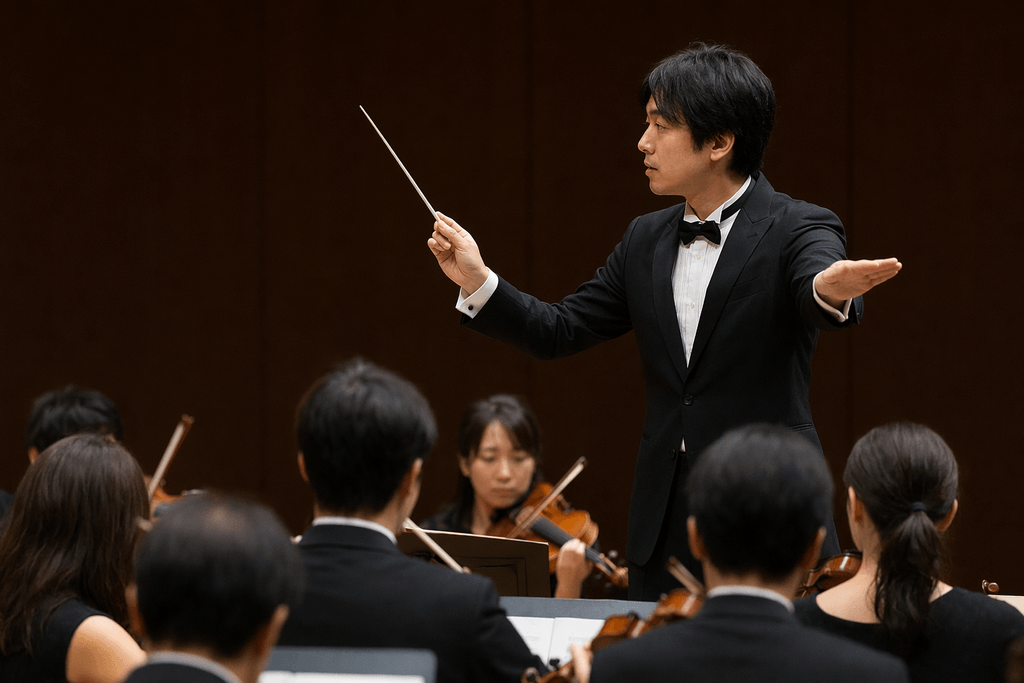
合図
信號
合図
信號
Explanation
合図
信號
合図
信號;暗號;提示 / (科學)相圖;相態圖
( Base form )
( romanization )
( kyūjitai )
( hiragana )
便り
書信 / 音訊
便り
書信 / 音訊
Explanation
便り
書信 / 音訊
便り
消息、音訊 / 來信、書信 / 通信、書信往來

( Base form )
( romanization )
食事
用餐
食事
用餐
Explanation
食事
用餐
食事
膳食 / 餐點 / 飲食

( Base form )
( romanization )
( hiragana )
Loading...

JLPT N3 多言語単語帳・1677語 / JLPT N3 Multilingual Vocabulary: 1677 Words

Jonathan Waller 氏の JLPT Resources の語彙リスト・レベル分類を出典とし、CC BY の条件に従って DiQt が学習者向けに意味を作り直した1677語の単語帳です。JLPT公式の語彙リストではありません。
This collection of 1677 words is based on the vocabulary list and level classifications in Jonathan Waller’s JLPT Resources under CC BY, with meanings rewritten by DiQt for learners. It is not an official JLPT vocabulary list.
Key Operations
Select the first quiz:
Ctrl + Enter
View Explanation:Ctrl + G
Close a feedback:Esc
When selecting a quiz
Answer:Enter
Select a choice:↓ or ↑
Reading out the question:Ctrl + K
View Hint: Ctrl + M
I don't know: Ctrl + Y



