
JLPT N3 詞義四選一 - Unsolved

透過四選一題目,用繁體中文學習JLPT N3的1677個單字詞義。
-
程度
-
妻子 / 夫人
-
法律
-
奪走
-
就任
-
支撐
- サ行五段活用の他動詞。
-
轉向
-
覆蓋
-
延長 / 拉伸
-
預期
-
效果
-
夥伴 / 成員
-
去除 / 排除
-
推進
-
施加 / 造成
-
時候 / 左右
-
岸邊
-
遲到
-
星期五
-
典型例子
-
市集
-
經常
-
好好地
-
任何東西
-
豐富的
-
不幸
-
微妙的
- 「そっくり」は名詞的・副詞的にも用いられ、「そっくりの」「そっくりに」の形も一般的です。
-
方法
-
萬一
-
規則
巣
巢
巣
巢
Explanation
巣
巢
巣
鳥獸築的巢 / 比喻壞人或敵人的巢穴 / 棲身或聚集的地方

動かす
挪動
動かす
挪動
Explanation
動かす
挪動
動かす
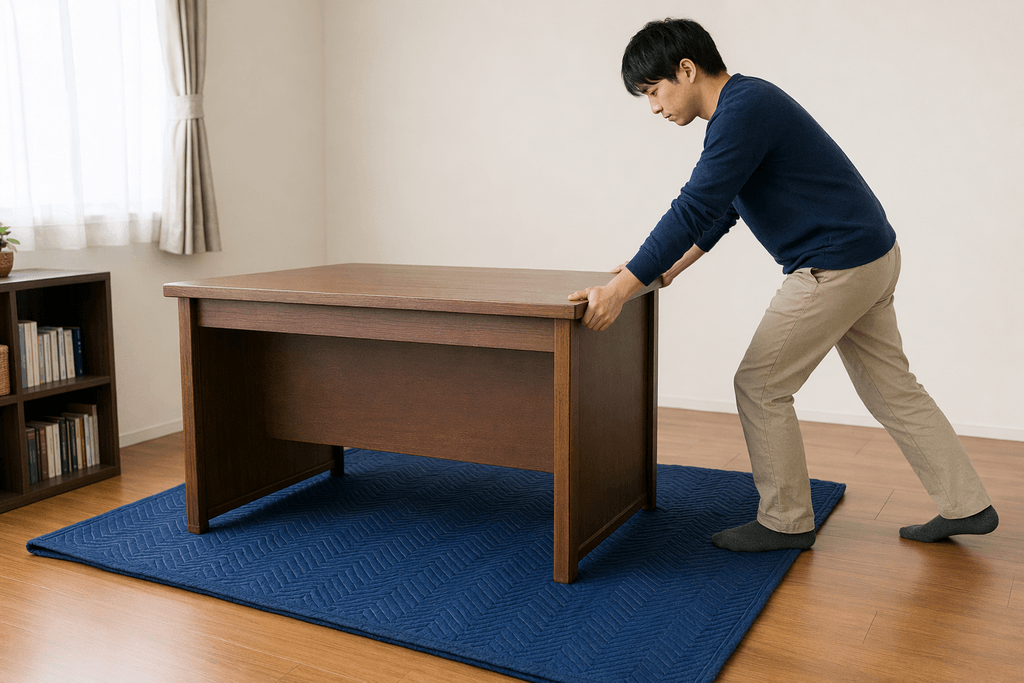
移動;搬動 / 操作;使運轉 / 打動;影響
Word Forms
The basic and commonly used forms of this verb.
Basic forms
| Form | Word form | Usage |
|---|---|---|
| Imperfective form (mizenkei) |
Alternative:
動かそ
|
Connects to endings such as nai, reru, and seru. |
| Continuative form (renyokei) | Connects to endings such as masu, tai, and ta. | |
| Conclusive form (shushikei) | Ends a sentence and serves as the dictionary form. | |
| Attributive form (rentaikei) | Modifies a noun. | |
| Conditional form (kateikei) | Combines with ba to express a condition. | |
| Imperative form (meireikei) | Expresses a command or instruction. |
Common forms
| Form | Word form | Usage |
|---|---|---|
| Te-form | Connects clauses with te. | |
| Ta-form | Expresses the past with ta. | |
| Nai-form | Expresses negation with nai. | |
| Masu-form | Used for polite speech. | |
| Ba-form | Expresses a condition with ba. | |
| Volitional form | Expresses intention or invitation. |
Notes
結ぶ
繫上 / 連接
結ぶ
繫上 / 連接
Explanation
結ぶ
繫上 / 連接
結ぶ
綁、繫(繩子、帶子等) / 連結、聯繫(情感、關係等) / 締結(契約、同盟)、結束

Word Forms
The basic and commonly used forms of this verb.
Basic forms
| Form | Word form | Usage |
|---|---|---|
| Imperfective form (mizenkei) |
Alternative:
結ぼ
|
Connects to endings such as nai, reru, and seru. |
| Continuative form (renyokei) | Connects to endings such as masu, tai, and ta. | |
| Conclusive form (shushikei) | Ends a sentence and serves as the dictionary form. | |
| Attributive form (rentaikei) | Modifies a noun. | |
| Conditional form (kateikei) | Combines with ba to express a condition. | |
| Imperative form (meireikei) | Expresses a command or instruction. |
Common forms
居間
客廳
居間
客廳
Explanation
居間
客廳
居間
客廳 / 起居室

( Base form )
( romanization )
( hiragana )
立ち上がる
站起來
立ち上がる
站起來
Explanation
立ち上がる
站起來
立ち上がる
站起來;起身 / 開始行動;重新振作 / (電腦)啟動;開機

Word Forms
The basic and commonly used forms of this verb.
Basic forms
| Form | Word form | Usage |
|---|---|---|
| Imperfective form (mizenkei) |
Alternative:
立ち上がろ
|
Connects to endings such as nai, reru, and seru. |
| Continuative form (renyokei) |
Alternative:
立ち上がっ
|
Connects to endings such as masu, tai, and ta. |
| Conclusive form (shushikei) | Ends a sentence and serves as the dictionary form. | |
| Attributive form (rentaikei) | Modifies a noun. | |
| Conditional form (kateikei) | Combines with ba to express a condition. | |
| Imperative form (meireikei) | Expresses a command or instruction. |
Common forms
| Form | Word form | Usage |
|---|---|---|
| Te-form | Connects clauses with te. | |
| Ta-form | Expresses the past with ta. | |
| Nai-form |
Alternative:
立ち上がらん
|
Expresses negation with nai. |
| Masu-form | Used for polite speech. | |
| Ba-form | Expresses a condition with ba. | |
| Volitional form | Expresses intention or invitation. |
カード
卡片
カード
卡片
Explanation
卡片
カード
卡片(如信用卡、會員卡) / 撲克牌(不常用)

( romanization )
周囲
周圍 / 周長
周囲
周圍 / 周長
Explanation
周囲
周圍 / 周長
周囲
周遭環境 / 周邊地區 / (幾何)周長

( Base form )
( romanization )
( romanization )
( kyūjitai )
( hiragana historical )
( hiragana )
そうとう
相當 / 相等的
そうとう
相當 / 相等的
Explanation
相當 / 相等的
そうとう
相稱的 / 適當的 / 可觀的

( Base form )
( romanization )
( adnominal )
( adverbial )
( hiragana )
( table-tags )
( inflection-template )
( imperfective stem )
( imperfective stem )
( imperfective )
( continuative stem )
( continuative stem )
( continuative )
( stem terminative )
( stem terminative )
( terminative )
( attributive stem )
( attributive stem )
( attributive )
( hypothetical stem )
( hypothetical stem )
( hypothetical )
( Imperative stem )
( Imperative stem )
( Imperative )
( informal negative )
( informal negative )
( informal negative )
( informal negative )
( informal negative )
( informal negative )
( informal Past )
( informal Past )
( informal Past )
( informal negative Past )
( informal negative Past )
( informal negative Past )
( informal negative Past )
( informal negative Past )
( informal negative Past )
( formal )
( formal )
( formal )
( formal negative )
( formal negative )
( formal negative )
( formal negative )
( formal negative )
( formal negative )
( formal Past )
( formal Past )
( formal Past )
( formal negative Past )
( formal negative Past )
( formal negative Past )
( formal negative Past )
( formal negative Past )
( formal negative Past )
( conjunctive )
( conjunctive )
( conjunctive )
( Conditional )
( Conditional )
( Conditional )
( Conditional Past )
( Conditional Past )
( Conditional Past )
( volitional )
( volitional )
( volitional )
( adverbial )
( adverbial )
( adverbial )
( noun-from-adj )
( noun-from-adj )
( noun-from-adj )
そっくり
一模一樣 / 全部
そっくり
一模一樣 / 全部
Explanation
一模一樣 / 全部
そっくり
一模一樣 / 完全相同 / 長得很像

Word Forms
The basic and commonly used forms of this adjectival noun.
Basic forms
| Form | Word form | Usage |
|---|---|---|
| Imperfective form (mizenkei) | Used in forms such as darou. | |
| Continuative form (renyokei) |
Alternative:
そっくりに
|
Used with de or ni. |
| Conclusive form (shushikei) | Ends a sentence with da. | |
| Attributive form (rentaikei) |
Alternative:
そっくりの
|
Modifies a noun with na. |
| Conditional form (kateikei) | Expresses a condition with nara. | |
| Imperative form (meireikei) | Used in formal expressions such as de are. |
Common forms
| Form | Word form | Usage |
|---|---|---|
| Te-form equivalent | Connects clauses using de. | |
| Ta-form | Expresses the past with datta. | |
| Nai-form |
Alternative:
そっくりじゃない
|
Expresses negation with dewa nai or ja nai. |
| Desu-form | Used for polite speech. |
Notes
故郷
故鄉
故郷
故鄉
Explanation
故郷
故鄉
故郷
故鄉 / 家鄉 / 故土
( Base form )
( romanization )
( romanization )
( kyūjitai )
( hiragana historical )
( hiragana )
Loading...

JLPT N3 多言語単語帳・1677語 / JLPT N3 Multilingual Vocabulary: 1677 Words

Jonathan Waller 氏の JLPT Resources の語彙リスト・レベル分類を出典とし、CC BY の条件に従って DiQt が学習者向けに意味を作り直した1677語の単語帳です。JLPT公式の語彙リストではありません。
This collection of 1677 words is based on the vocabulary list and level classifications in Jonathan Waller’s JLPT Resources under CC BY, with meanings rewritten by DiQt for learners. It is not an official JLPT vocabulary list.
Key Operations
Select the first quiz:
Ctrl + Enter
View Explanation:Ctrl + G
Close a feedback:Esc
When selecting a quiz
Answer:Enter
Select a choice:↓ or ↑
Reading out the question:Ctrl + K
View Hint: Ctrl + M
I don't know: Ctrl + Y



